Grapevine cold hardiness and dormancy physiology
How grapevine buds gain cold hardiness in autumn, hold it through dormancy, and give it up again in spring.
Overview
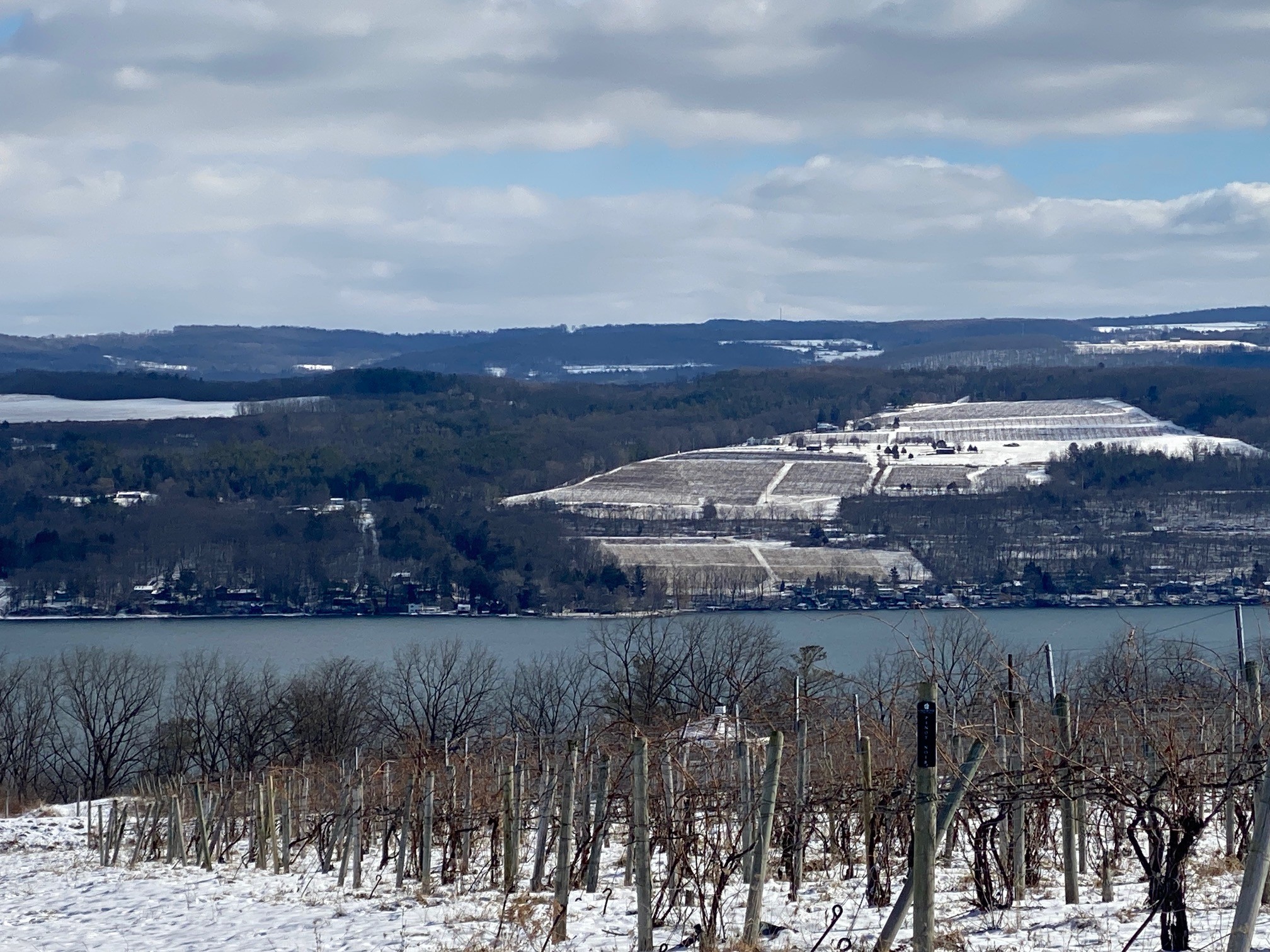
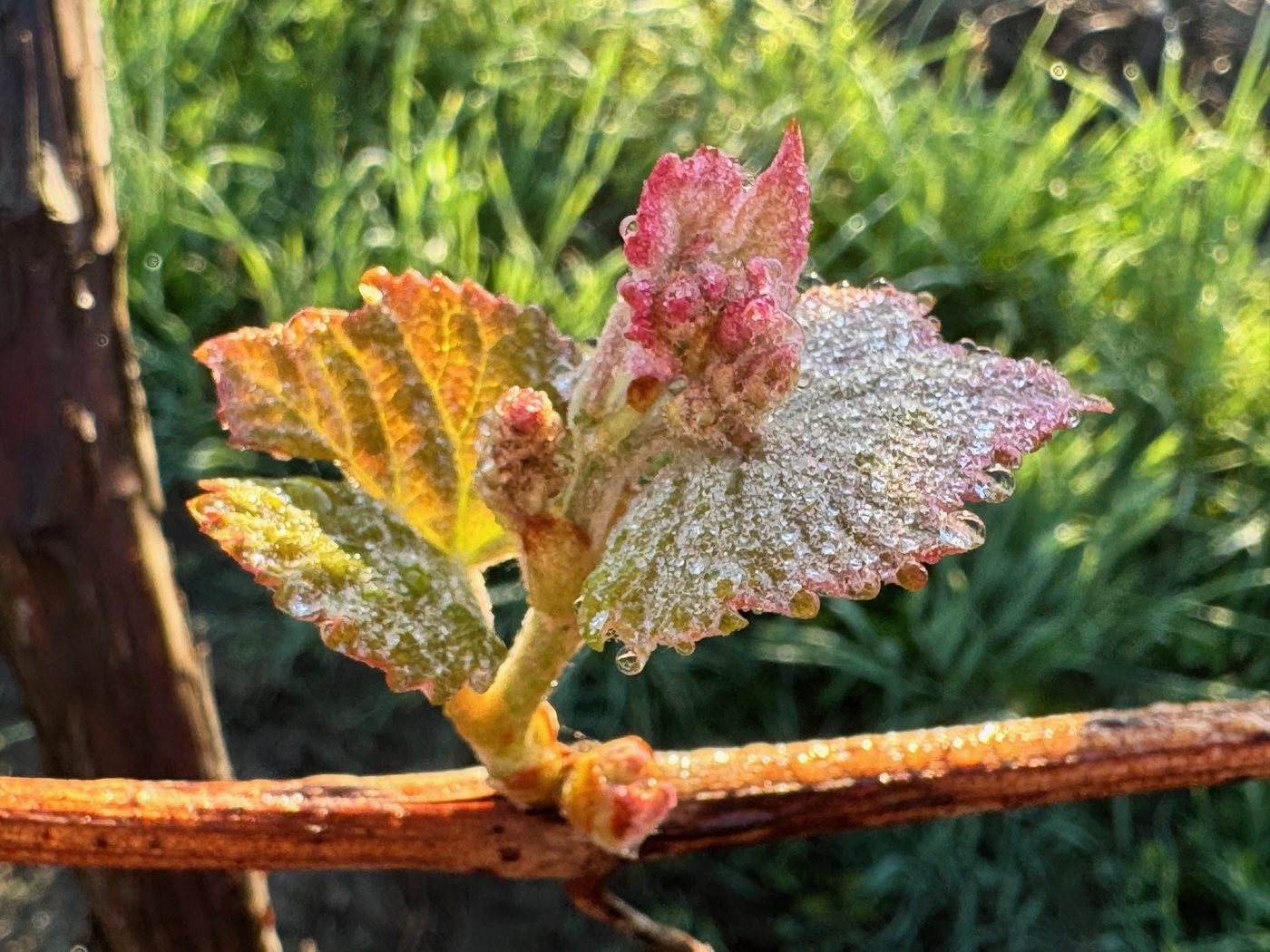
Grapevine survives winter by moving through a seasonal cycle of dormancy and cold acclimation. In autumn the buds enter dormancy and gain freezing tolerance. Through the coldest months they hold a deep hardiness that tracks the weather. In late winter they begin to lose that hardiness as they prepare to grow. The timing of each step decides how much of the crop survives a hard freeze or a spring frost.
What we ask
We study what sets the rate of acclimation in fall and deacclimation in spring, how chilling and warm spells move that timing, and how far a genotype can be pushed before it loses hardiness too early. We compare species and cultivars across the genus Vitis to find the traits that carry the most winter survival.
How we measure it
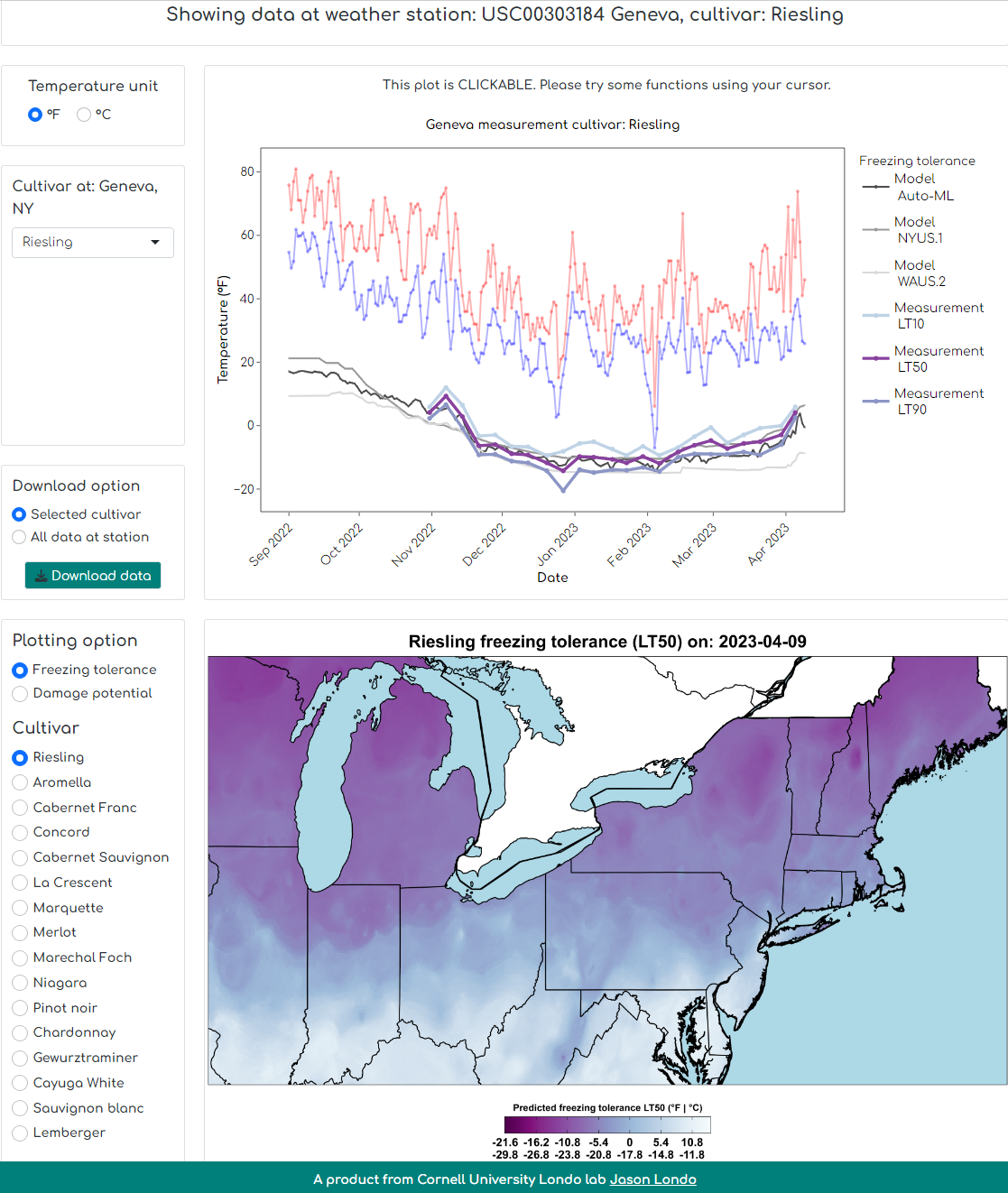
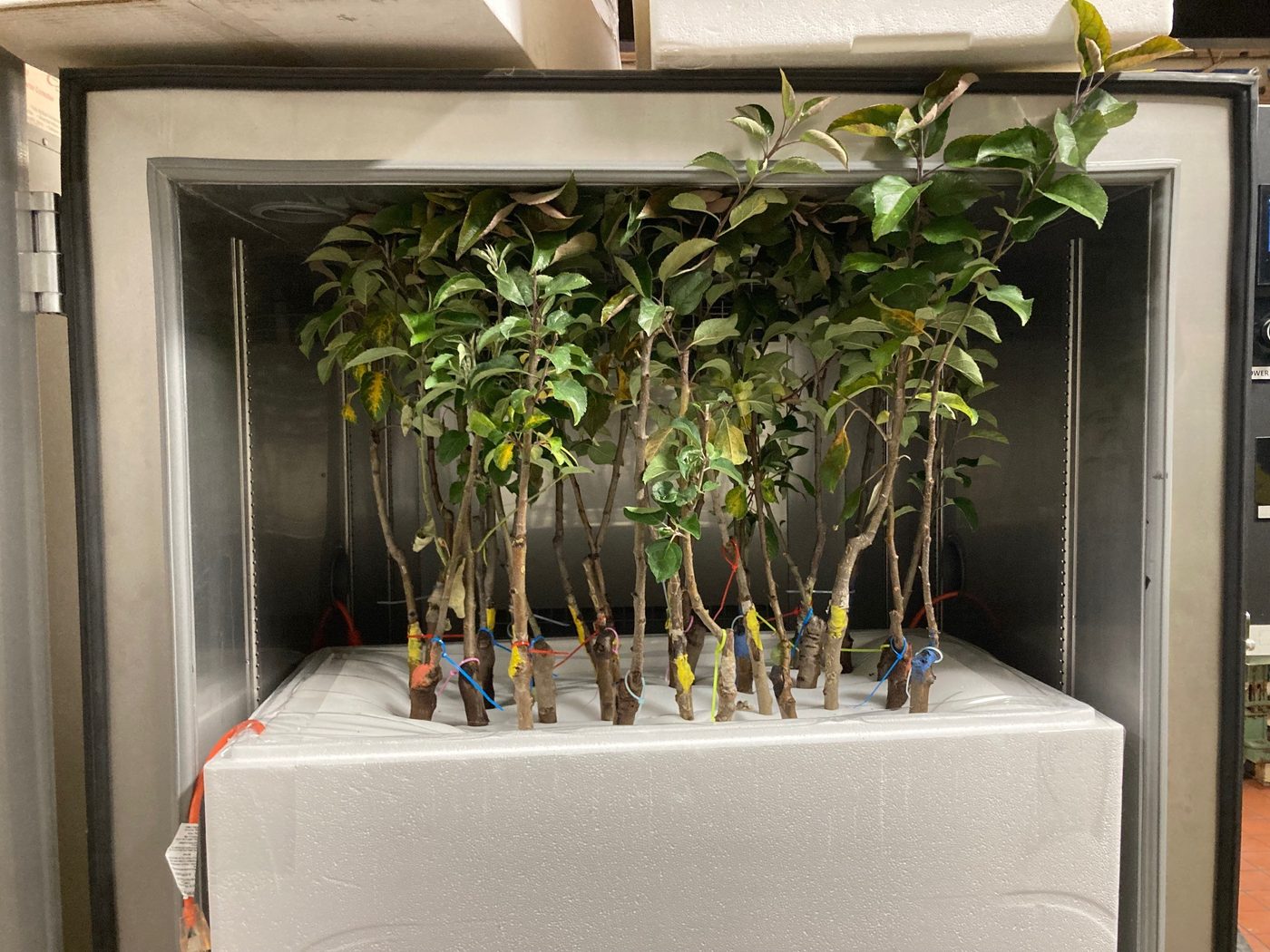
We measure bud freezing tolerance directly with differential thermal analysis, which detects the small burst of heat released as each bud freezes. We pair those measurements with field phenology, controlled chilling and forcing, and long weather records, then build the pattern into models that run across a whole dormant season.
Figures
Tools and resources
NYUS.2 is our open source model that predicts grapevine bud freezing tolerance across North America through the dormant season. It turns daily weather into a running estimate of hardiness that growers and researchers can use.