Plant Physiology · Adaptation · Dormancy · Genomics · Epigenomics
We investigate the phenotypic plasticity of perennial fruit crops through molecular, physiological, and observational tools, from the cell to the vineyard and orchard.
Questions and Focus
Our program spans grapevine and apple, from the molecules inside a dormant bud to the freeze risk facing a whole orchard.
Winter Physiology & Dormancy
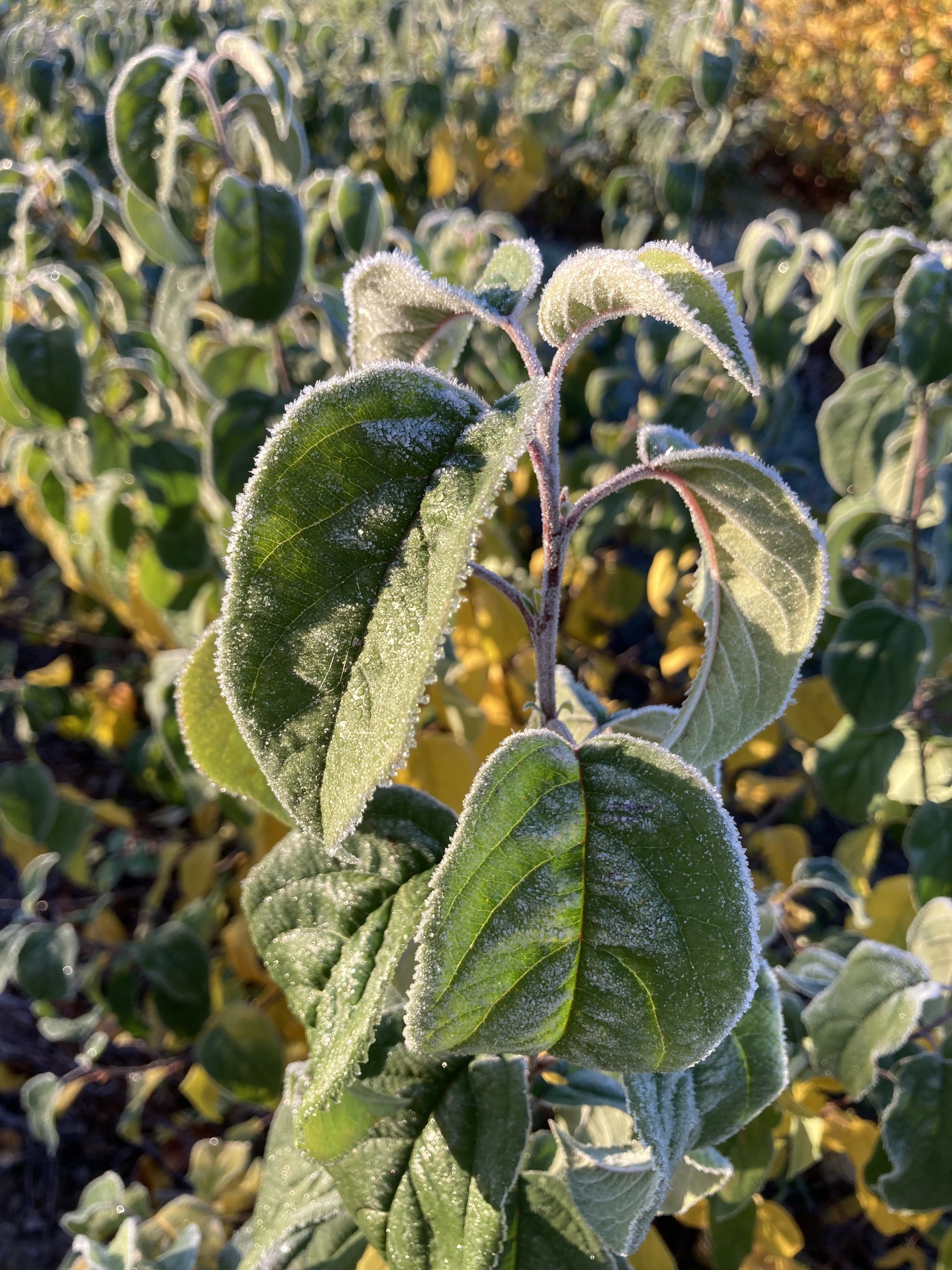
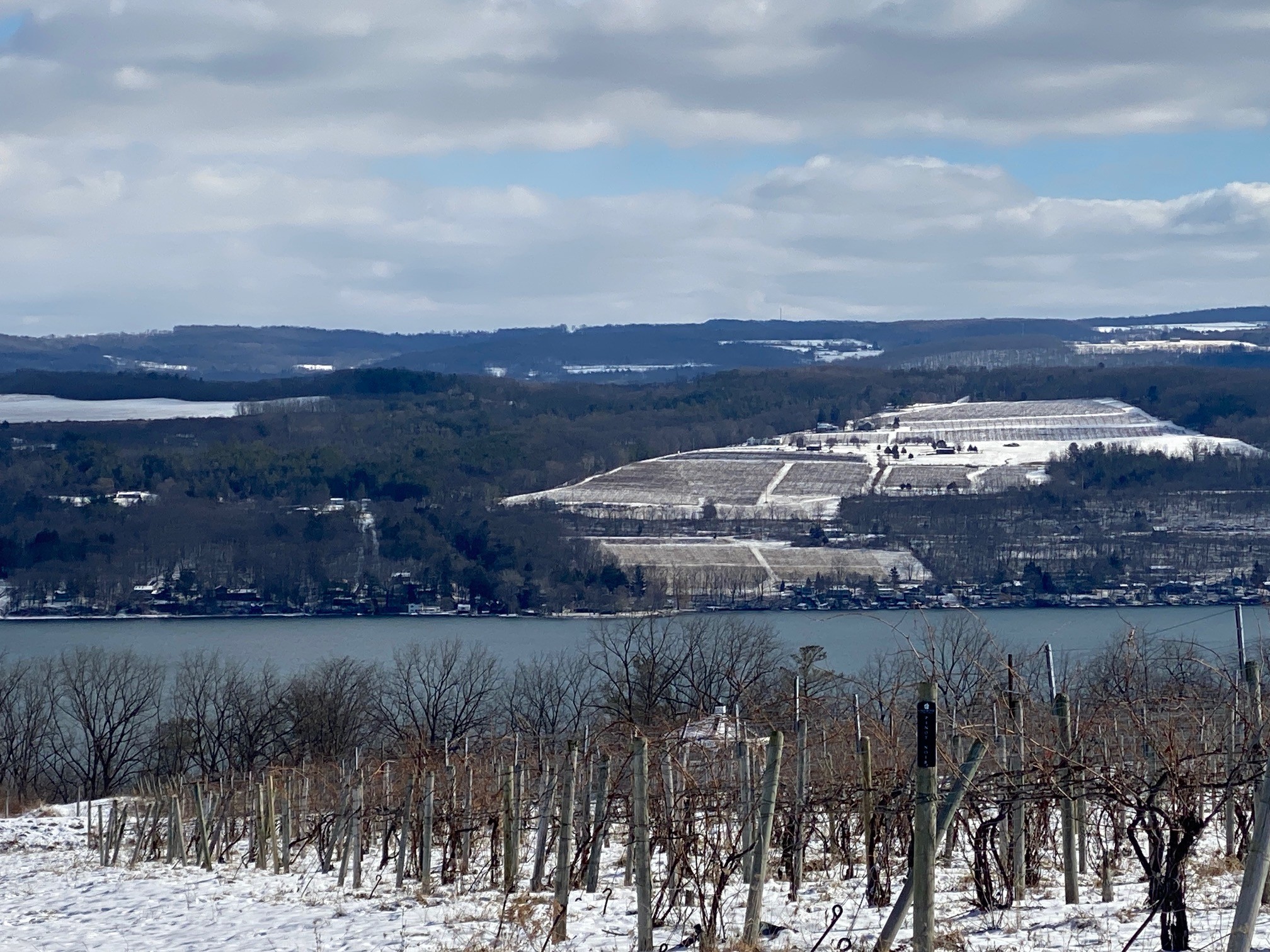
We follow how grapevine and apple buds acclimate in autumn, hold hardiness through winter, and deacclimate in spring, and how freeze risk grows in a warming climate.
Rootstock-Scion Interaction
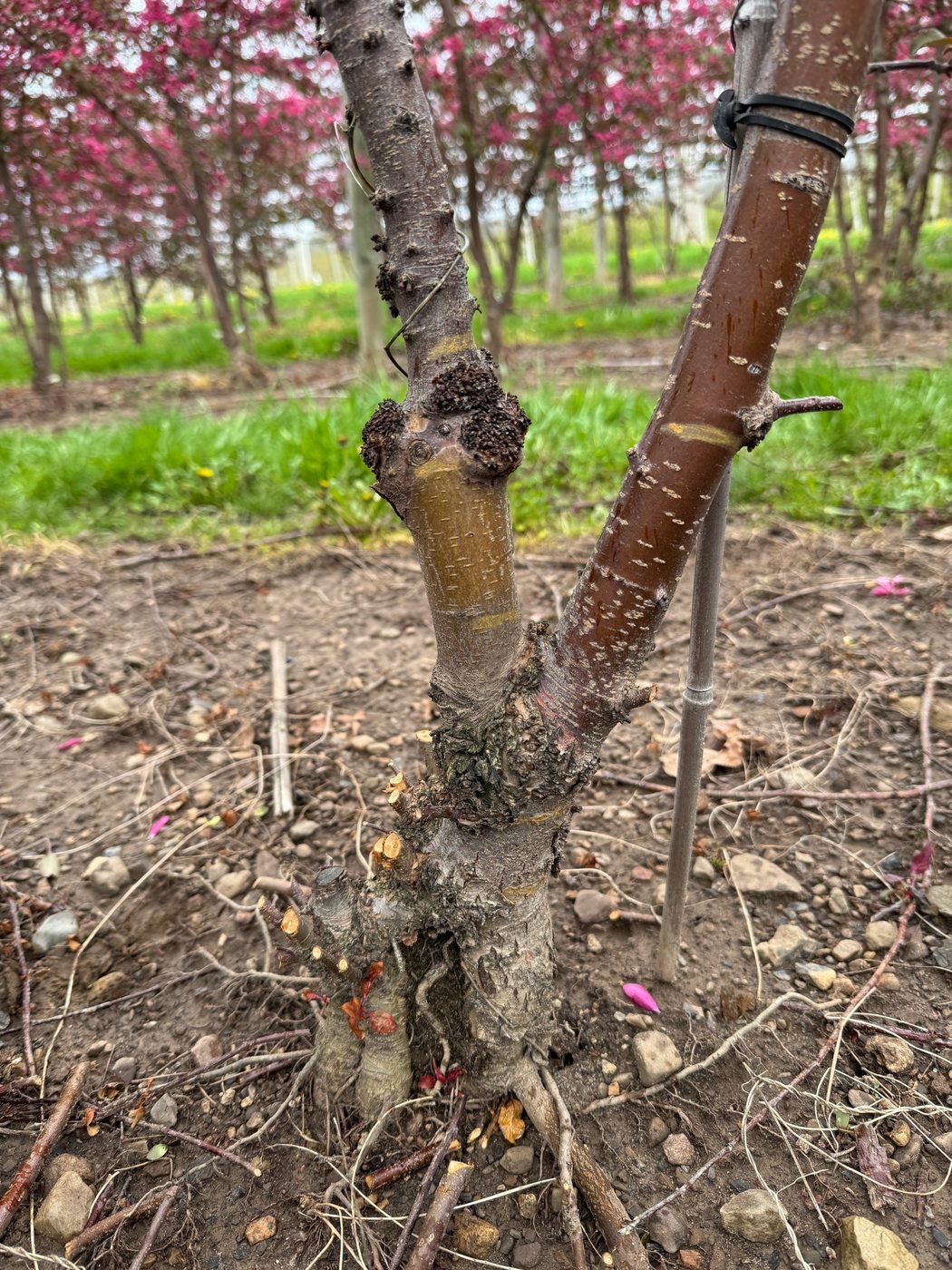
We study how rootstock and scion combinations shape vigor, cold hardiness, and fruit quality in grapevine and apple.
Genomics & Epigenomics
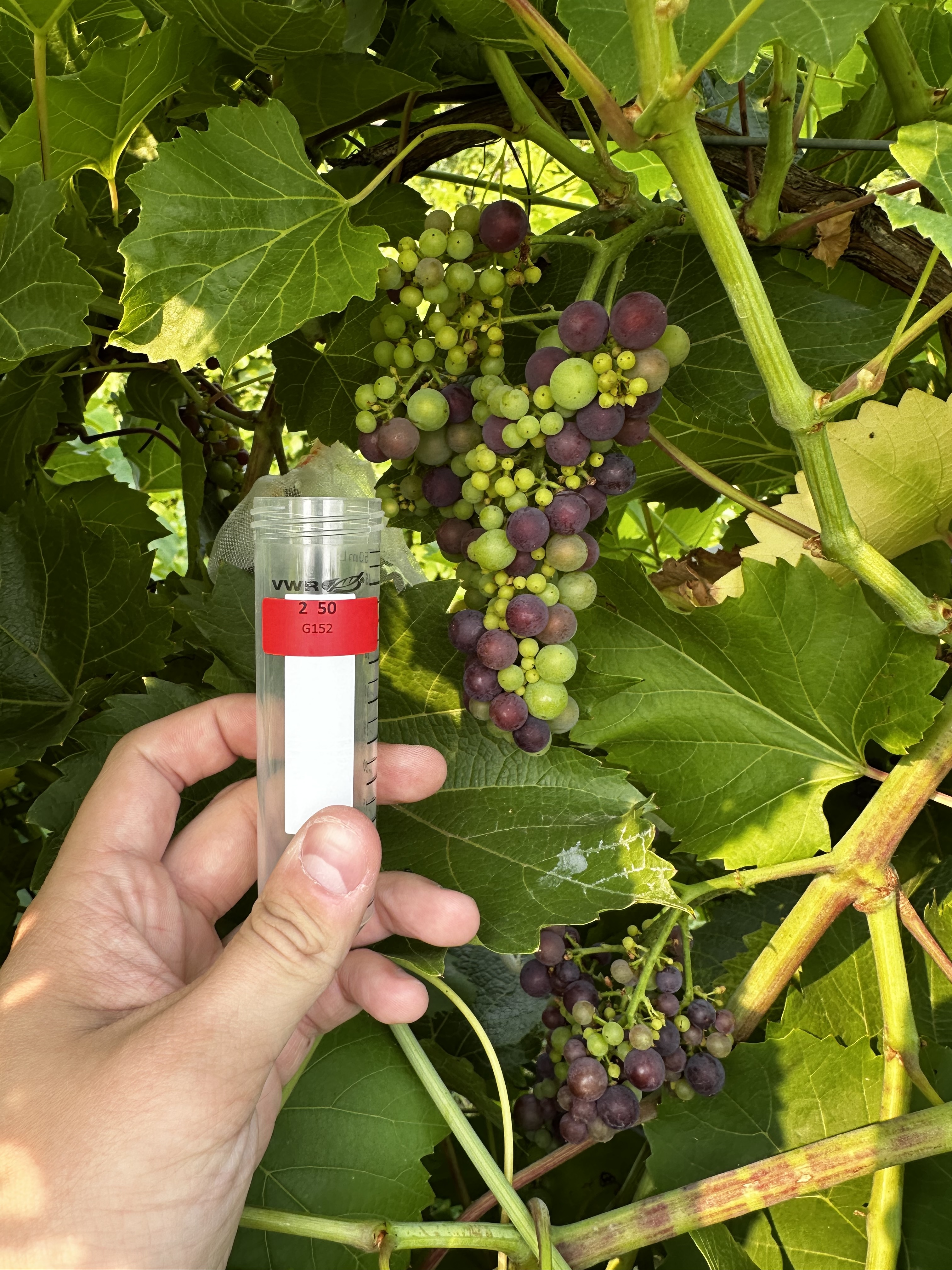
We use genome and epigenome scale approaches to understand perennial crop biology, from the epigenomics of clonal grapevine to sex determination and adaptive traits.
Climate Adaptation & Tools
We turn physiology into decision tools for growers, including the open source NYUS.2 model that predicts grapevine bud freezing tolerance across North America.
Data and approaches
We pair controlled physiology with genome scale biology and field sensing to connect mechanism to the vineyard and orchard.
Controlled Freezing & Phenotyping
Differential thermal analysis and controlled freeze tests measure cold hardiness, chilling, and deacclimation.
Microclimate & Fruit Quality
Canopy microclimate sensors and imaging connect the growing environment to fruit finish disorders like scarf skin and russet.
Vascular Physiology & Repair
Xylem and phloem function and how vascular tissue recovers from grafting, rootstock effects, and virus.
Transcriptomics
Time series RNA sequencing tracks how gene expression shifts through dormancy and stress.
Epigenomics
Small RNA and methylation sequencing map the epigenome of clonally propagated grapevine.
Genome Assembly
Haplotype resolved genomes and pangenomes of highly heterozygous perennial crops.
Sensing & Imaging
Field microclimate sensors and multispectral drone imaging track vineyards and orchards through the season.
Modeling & Decision Tools
Predictive models and grower facing apps put physiology to work, including our NYUS.2 model.